

The handpan is a percussion instrument in the idiophone family. It is becoming increasingly well known for its unique, captivating sounds. Created in 2000 by PANArt, a Swiss maker, it is valued for its simplicity and intuitive nature.
To help you choose a handpan, this guide covers technical, sonic, and aesthetic considerations. It is important to understand the available options, such as materials, scales, and note layout.
These criteria will help you find a model that suits your needs. Whether you are a beginner or an experienced musician, a good handpan can enrich your musical experiences.
Introduction to the Handpan and Its History
The handpan is a unique instrument that has captured the imagination of musicians around the world. Its revolutionary design and captivating sounds emerged from a fascinating history. Understanding its origins makes it easier to appreciate its evolution.
The Origins of the Handpan
Created in the early 2000s by Swiss craftspeople in Bern, the handpan grew out of a quest for musical experimentation. Felix Rohner and Sabina Schärer wanted to create an instrument with harmonious sounds, inspired by steel pans. Their work culminated in its first presentation in 2001, marking the beginning of handpan history.
Originally, this instrument was made by PANArt, which ceased operations in 2013. Its closure left behind a thriving creative world.
The Evolution of This Unique Instrument
After PANArt closed, demand for handpans soared, leading to the creation of many models. Craftspeople developed new techniques to produce a unique instrument that continues to fascinate. The handpan’s characteristic sounds continue to evolve for settings ranging from meditation to contemporary music.
This capacity to evolve allows the handpan to cross cultural boundaries and establish itself in the musical world.
The Different Types of Handpan
Choosing a handpan involves considering far more than its appearance. The types of handpan change the musical experience. Stainless steel and nitrided steel affect both sound and appearance.
Stainless-Steel or Nitrided-Steel Handpan
Stainless-steel handpans have a rich sound and long sustain. They provide an enjoyable musical experience. Nitrided steel is a newer option and resists corrosion better. It produces a powerful sound but requires more care.
Here is a comparison table showing the characteristics of these materials:
| Characteristic | Stainless steel | Nitrided steel |
|---|---|---|
| Sound | Rich and warm | Punchy and intense |
| Durability | High | Very high |
| Maintenance | Moderate | High |
| Corrosion resistance | Excellent | Superior |
Available Scales
Each handpan has a unique scale that changes its tone and emotional effect. Scales vary: D minor evokes melancholy, while G minor expresses strength. C major, meanwhile, brings a sense of brightness.
The variety of scales creates a rich musical palette.
Variants Such as the Steel Tongue Drum and Hang Drum
Alongside the handpan, there are also the steel tongue drum and the hang drum. The hang drum is the prototype, while the steel tongue drum has tongues that produce different sounds. Each brings a unique touch to music.

Essential Criteria for Choosing a Handpan
Choosing a handpan requires considering several important factors. These influence your musical experience. Sound, material, and note layout are essential.
Sound, Material, and Resonance
The handpan’s sound is crucial. You need to listen to the sound produced by the instrument. The material is the first characteristic to consider. Stainless-steel handpans are durable and easy to maintain. Nitrided-steel models have a richer sound.
Resonance is also important. Different designs shape how the notes vibrate. Some versions may therefore be better suited to your tastes.
The Number and Layout of Notes
Handpans have between 7 and 10 notes, including the ding, or central note. The note layout affects harmony. More notes mean greater complexity, but also a higher risk of disharmony.
For beginners, choosing a handpan with fewer than 9 notes is a wise decision. This lets you explore the instrument without becoming overwhelmed.
What Kind of Sound Are You Looking For?
Choosing a handpan depends greatly on the sound you want. Major scales, minor scales, and Eastern scales evoke different emotions. This enriches the musical experience.
Major, Minor, and Eastern Scales
Major scales create a feeling of joy and brightness. They create a positive atmosphere. Minor scales evoke darker, more introspective emotions.
Eastern scales are meditative. They take the listener on a sonic journey. Each kind of sound offers nuances that resonate with the listener.
How Scales Affect the Musical Experience
The choice of scale changes the handpan experience. Each scale has a personality that influences emotions. Musicians can therefore express a wide range of feelings.
Frequencies such as 432 Hz encourage relaxation and meditation. A frequency of 440 Hz is better suited to playing with other musicians.
| Scale type | Associated emotion | Suitable frequency |
|---|---|---|
| Major scales | Joy | 440 Hz |
| Minor scales | Melancholy | 432 Hz |
| Eastern scales | Meditation | 432 Hz |

Handpan Budgets and Prices
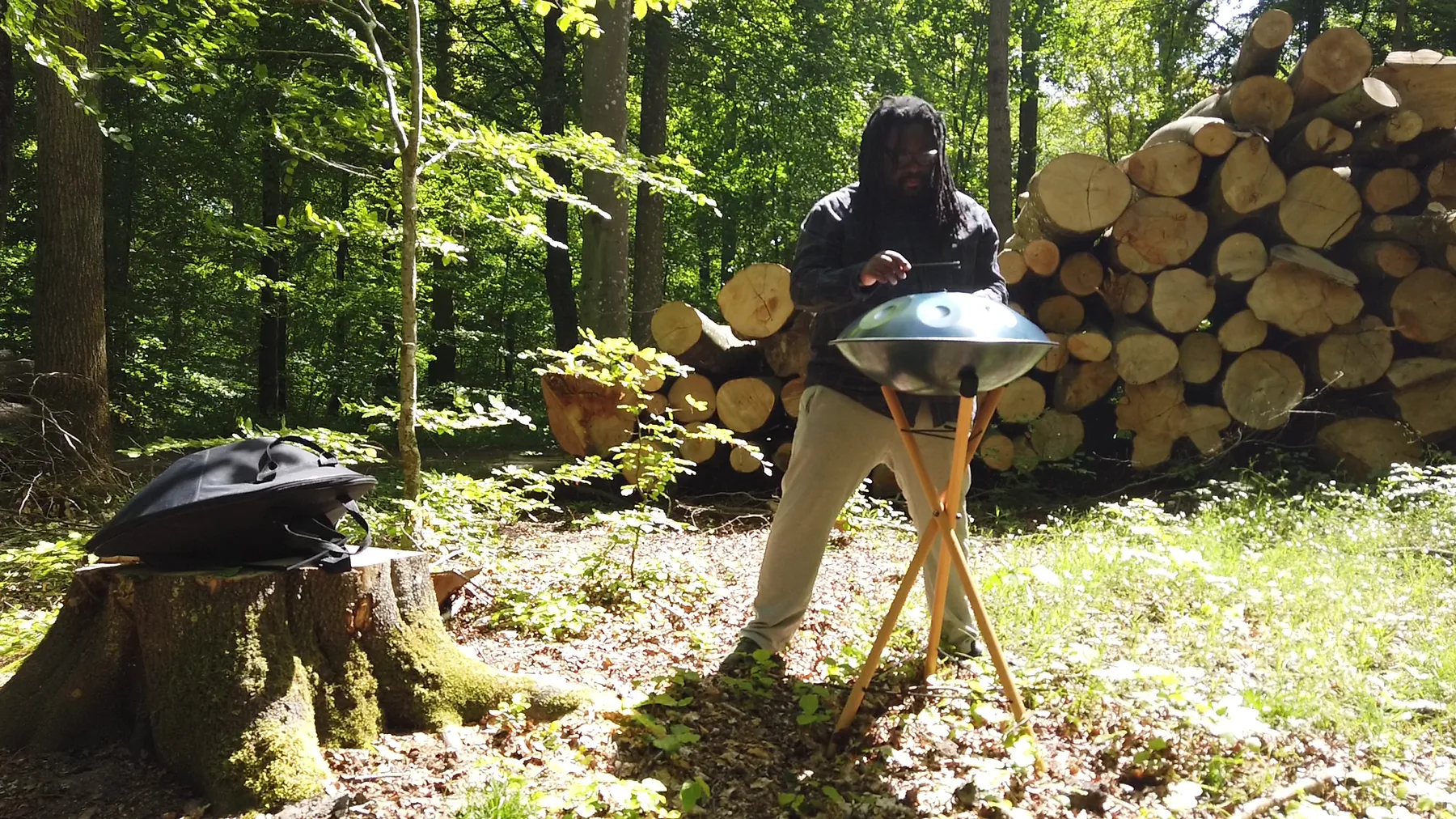
Choosing a handpan requires careful thought about price, quality, and personal needs. The cost varies depending on the brand, materials, and manufacturing complexity. Finding good value for money is crucial to enjoying a satisfying musical experience. In 2024, a quality handpan costs between €1,200 and €2,500. Used models may cost as little as €400.
Assessing Value for Money
High-end handpans made by renowned craftspeople cost between €2,000 and €3,500. Models with 7 to 8 notes cost between €1,100 and €2,000. This difference illustrates the range of handpan prices, which are influenced by supply and demand. As the number of makers increases, prices are falling, providing more choice.
Options for Beginners and Advanced Musicians
Among the options for beginners, choosing an affordable model under €1,200 is a sensible approach. Advanced musicians can invest in more elaborate instruments to enjoy a broader sonic palette. Used models are also a good option, as they offer quality without the high cost. However, be careful when buying online to avoid fraud.
Handpan Accessibility and Maintenance
The handpan is attracting more and more enthusiasts thanks to its unique sound and ease of learning. To get the most from it, you need to maintain and transport it properly. This ensures its durability and makes it accessible to all musicians.
How to Care for Your Handpan
Proper handpan maintenance is crucial. Cleaning the instrument after each use removes moisture and dirt. Nitrided-steel models, which are highly susceptible to oxidation, require special care.
Using specialized cleaning products extends the life of the notes and preserves their clarity.
Transportation and Travel Tips
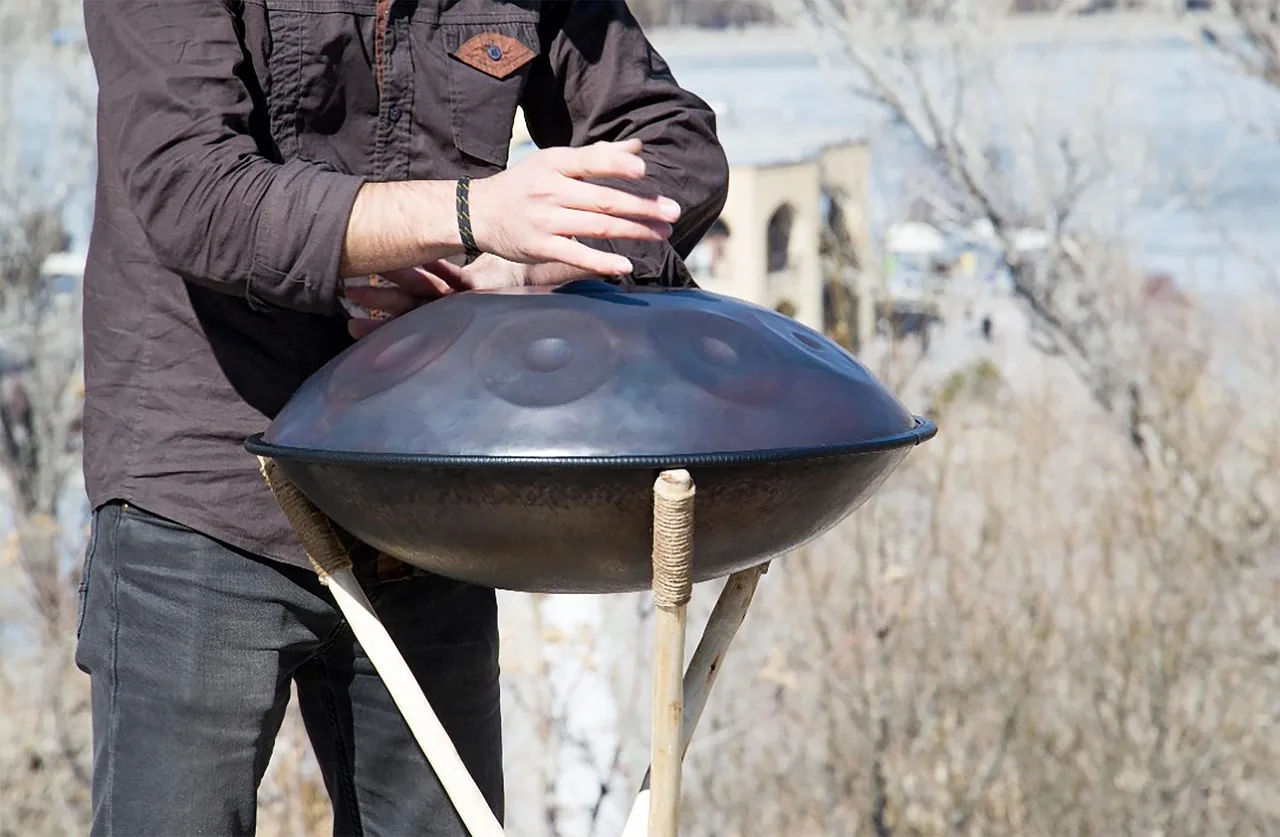
Transporting a handpan requires care to keep it protected. A padded case absorbs impacts. Avoid sudden temperature changes and extreme conditions to prevent corrosion.
Planning transportation makes it easier to travel with the instrument and makes the journey more convenient.
| Aspects to consider | Maintenance | Transportation |
|---|---|---|
| Frequency | Wipe after use | Use a padded case |
| Moisture protection | Use anti-corrosion products | Avoid impacts |
| Weather conditions | Protect against corrosion | Plan for transportation adjustments |
Conclusion
This guide has presented the history and main aspects of the handpan. This instrument was created in 2000 by a Swiss craftsperson. We have provided advice to help beginners and musicians choose their handpan.
Choosing a handpan depends on several factors. Steel quality, scale, and the number of notes are important. The material, such as stainless steel, influences sound and durability.
The handpan can enhance your well-being and support personal growth. It is ideal for anyone seeking relaxation or an enriching hobby. Choosing a good handpan opens the door to a unique musical experience.