What are the origins and history of the handpan?
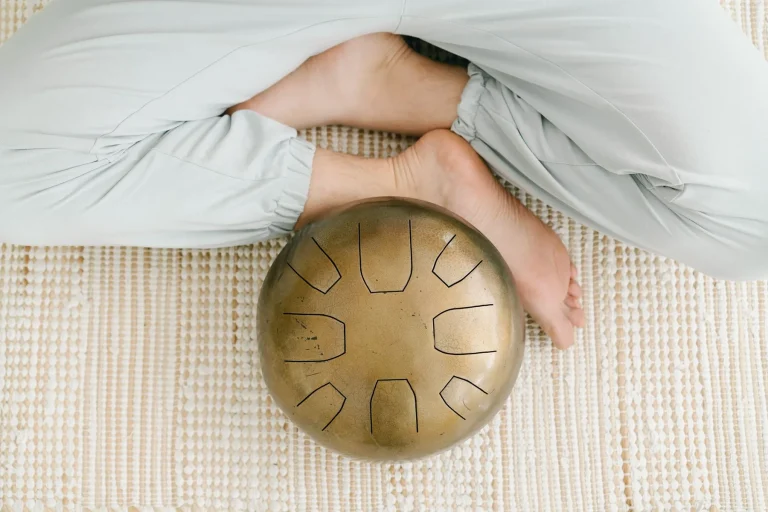
The handpan is a relatively recent melodic percussion instrument that emerged in the early 2000s. Created in Switzerland by Felix Rohner and Sabina Schärer of PANArt, it has its roots in the steelpan of Trinidad and Tobago, an instrument made from steel drums. Rohner and Schärer wanted to create an instrument capable of producing similar sounds, but with a more meditative and harmonious character. In 2001, they unveiled the “Hang” (meaning “hand” in the Swiss Bernese dialect), often considered the very first handpan.
The Hang is made from two shells of nitrided steel bonded together to form a hollow structure. The top features a series of “dimples,” or hammered indentations, each tuned to a specific note, while the underside has an opening called the “Gu,” which alters the tone. The instrument produces rich, hypnotic sounds, with a resonance that encourages relaxation and meditation.
The Hang quickly gained popularity among street musicians, enthusiasts of meditative music and the general public, leading to the creation of a new category of musical instruments now known as “handpans.” Many instrument makers around the world began producing their own versions of the handpan, each with unique variations in shape, tuning and materials.
Since then, the handpan has become much more than just an instrument. Today, it is a symbol of peace, serenity and freedom of artistic expression. Its rapid expansion has inspired passionate communities and dedicated festivals, while its popularity continues to grow, enriching the global musical landscape through its originality and beautiful sound.

How do you choose the right handpan for starting out or improving?
Choosing the right handpan can be crucial when starting out or improving your skills on this unique instrument. Here are some key factors to consider when making an informed choice.
1. Tuning and key: Handpans are available in various keys, often grouped into major, minor or modal scales. For beginners, a major key is generally recommended because of its harmonious sound and ease of use. Keys such as D Dorian or C major are valued for their versatility. For more advanced musicians, exploring keys associated with particular genres or emotions can offer further expressive possibilities.
2. Build quality: The quality of a handpan depends largely on how it is made. Look for instruments made by reputable craftspeople or brands known for their expertise. Check the materials used, tuning accuracy and overall finish. A well-built handpan offers better resonance and greater durability.
3. Size and weight: Handpans vary in size and weight, which can affect your comfort and mobility. Smaller models are often lighter and easier to carry, but may have a more limited sonic range. Larger instruments may offer richer sounds but can be bulkier.
4. Budget: Handpan prices can vary considerably. High-end instruments handcrafted by artisans can be quite expensive. For beginners, it may be wise to start with a more affordable model, while remembering that quality plays an essential role in the playing experience.
Ultimately, it is advisable to try several handpans if possible, listen to their sound and choose an instrument that suits your musical style and personal needs. A good handpan should not only meet your expectations for sound, but also be comfortable to play and durable.

How do you maintain and protect your handpan for a longer lifespan?
Maintaining and protecting your handpan is essential to ensure its longevity and preserve its sound quality. Here are some practical tips for taking care of your instrument.
1. Regular cleaning: Use a soft, dry cloth to clean the surface of your handpan regularly. Avoid chemicals and abrasive cleaners that could damage the metal or alter the sound quality. If necessary, you can use a cloth lightly dampened with distilled water to remove stains, then immediately dry the surface with a clean, dry cloth.
2. Avoid humidity and extreme temperatures: The handpan is sensitive to changes in humidity and temperature. Keep it in a dry environment and avoid damp places such as bathrooms or basements. Extreme temperatures, whether too high or too low, can affect the tension and tuning of the metal. Use a case or protective cover to shield it from unfavorable environmental conditions.
3. Use gloves or protective materials: When handling your handpan, it is advisable to wear clean gloves to avoid transferring oils or dirt to the metal. You can also use fabric pads or protective materials to prevent scratches and accidental impacts.
4. Have it tuned regularly: Handpans can go out of tune over time because of changes in temperature or humidity. Be sure to check your instrument’s tuning regularly and have adjustments made if necessary. If you are not comfortable tuning it yourself, consult a professional or experienced instrument maker.
5. Proper storage: When you are not playing your handpan, store it in a safe place, ideally in its case or cover, to protect it from impacts and dust. Avoid leaving your instrument exposed to direct sunlight or in places where it could be damaged.
By following these tips, you will help preserve the beauty and functionality of your handpan while extending its lifespan.
Top des articles