

The handpan is a unique musical instrument. It combines beauty with a magnificent sound. Made from nitrided steel, it has carefully tuned dimples. It thereby produces delicate, mesmerizing melodic percussion.
This instrument is often used in alternative music. It is easy to learn, even for beginners with no musical experience.
The magic of the handpan comes from its craftsmanship and the vibrations it emits. As they play, musicians can explore a rich diatonic scale. This scale has seven notes, with five whole tones and two semitones.
The handpan is suitable for everyone, from novices to experts. It offers a wealth of sonic possibilities, encouraging creativity and artistic expression.
Introduction to the handpan
The handpan is a percussion instrument that has grown in popularity. It appeals to a wide audience, from classical music enthusiasts to people seeking serenity. Its unique sounds combine woody tones and harmonies that enrich alternative music.
There are more than 100 handpan makers worldwide. This has given rise to a wide variety of styles and scales. Handpan lessons teach technique and rhythms, welcoming musicians of every level.
Beginners can start with free lessons. They can also find a range of tutorials and exercises. An e-book is often provided to help them practice at home. This makes the handpan an excellent tool for yoga teachers and sound-therapy practitioners.
Handpan prices range from $1,299 to $1,599. This reflects their quality and craftsmanship. Entering a raffle can cost $5, making this instrument more accessible. Despite production of the Hang ending in 2013, the handpan remains highly popular.
The origins of the handpan
The handpan, or Hang, was born from the innovation of Felix Rohner and Sabina Schärer. They are the founders of PANArt Hangbau AG in Bern, Switzerland. Their goal was to modernize the steel drum, a famous Caribbean instrument.
From 2001 to 2005, they made more than 5,000 first-generation Hangs. This enriched world music.
The steelpan, which has evolved in Trinidad and Tobago since the 1960s, inspired the handpan. Tuning this instrument requires great expertise. It shares roots with the steel drum, but has its own sound and character.
Felix Rohner and Sabina Schärer published technical guides on tuning and designing Hangs. These documents are a reference for craftspeople. Their legacy lives on through new craftspeople who discover and diversify the sounds of the handpan.
This process of adaptation and innovation shows that the handpan continues to evolve. It combines tradition and modernity.
How does a handpan produce sound?
The handpan is a unique instrument. It produces sound through a combination of vibrations and design elements. Its steel membranes create a distinctive sound thanks to the instrument’s structure.
Vibrations and membranes
The vibrations of the membranes create each handpan note. The membrane’s size affects the note’s pitch. Handpans, which measure 45 to 60 cm in diameter, have 6 to 15 notes known as “dimples.” Each dimple is tuned to produce a harmonious sound.
The role of the resonating chamber
The resonating chamber amplifies the sounds produced by the vibrations. It consists of two metal shells. These shells and their internal structure enrich the sound. The quality of the chamber affects the quality of the sound.
| Characteristics | Values |
|---|---|
| Average diameter | 45 to 60 cm |
| Number of notes (dimples) | 6 to 15 |
| Standard tuning frequency | 440 Hz |
| Alternative tuning | 432 Hz (limited possibilities for playing with other musicians) |
| Manufacturing techniques | Hand hammering, metal spinning, hydroforming |
With its elegant design, the handpan transforms vibrations into melodies. Each performance is unique and connects the artist with the listener through harmonious waves.
How the diatonic scale works on a handpan
The handpan, this unique musical instrument, is tuned to a diatonic scale. This scale has seven pitches, with five whole tones and two semitones. This gives the sound a deep, mesmerizing resonance.
Handpans have eight notes, including the “Ding,” which is the fundamental note. Each note is carefully tuned. This allows great creativity in musical practice.
The manufacture of a handpan is crucial to its sound. Nitrided steel ensures its durability and sound quality. Precise hammering of the dimples is essential to the harmony of the diatonic scale.

The size of the membranes affects the pitch of the notes. This creates a variety of sounds, from the softest to the most powerful. A resonance hole beneath the handpan amplifies the sounds and offers an immersive experience.
The handpan stands apart from other instruments because of its materials and playing technique. This makes it unique as a musical instrument.
Handpan playing techniques
Playing the handpan requires mastering certain distinctive playing techniques. These techniques showcase the instrument’s rich sound. The hands are primarily used to produce warm tones.
Using the hands to play
Handpan playing involves different strokes made with the fingers and palms. One common technique consists of striking with the thumb and then quickly lifting it away to produce a distinct sound. This method requires coordination and a good sense of tempo to achieve greater fluidity.
Learning and refining these playing techniques helps players grasp the essence of handpan music.
Accessories and alternative methods
Accessories can enrich handpan playing. For example, gloves alter the volume and add a new dimension to the sound. Mallets, meanwhile, offer a more percussive approach.
These alternative methods make it possible to create varied sound textures. They also help personalize one’s playing style.
Benefits and applications of the handpan
The handpan occupies a unique place in the world of world music. It offers a musical experience that soothes the mind and heart. This helps improve emotional and mental well-being.
It is also very useful in music therapy. It helps reduce anxiety and achieve deep relaxation.
The handpan is easy to learn, making it accessible to players of all levels. It is used in many settings, such as yoga, meditation, and mindfulness. The vibrations it emits relax the body and mind, thereby helping to combat stress.
- World music: used to enrich performances across various musical genres.
- Personal development: fosters creativity and emotional expression.
- Community: the handpan brings musicians together for group sessions, creating a sense of belonging.
With its unique design, the handpan is more than just an instrument. It has become a means of artistic expression and sharing. Its positive impact on life and personal harmony makes it a popular choice in world music.
Materials used to make a handpan
Creating a handpan requires specific materials, chosen for their sound qualities and durability. Steel is crucial. Most handpans are made from nitrided steel, which produces a warm, enveloping sound. The nitriding process improves the steel’s resistance to rust and enhances its sound. This stage can take weeks, showing the importance of craftsmanship in manufacturing.
Handpans can also be made from stainless steel. This material produces a clear, expansive sound. These instruments are more expensive, but require little maintenance and resist corrosion well.
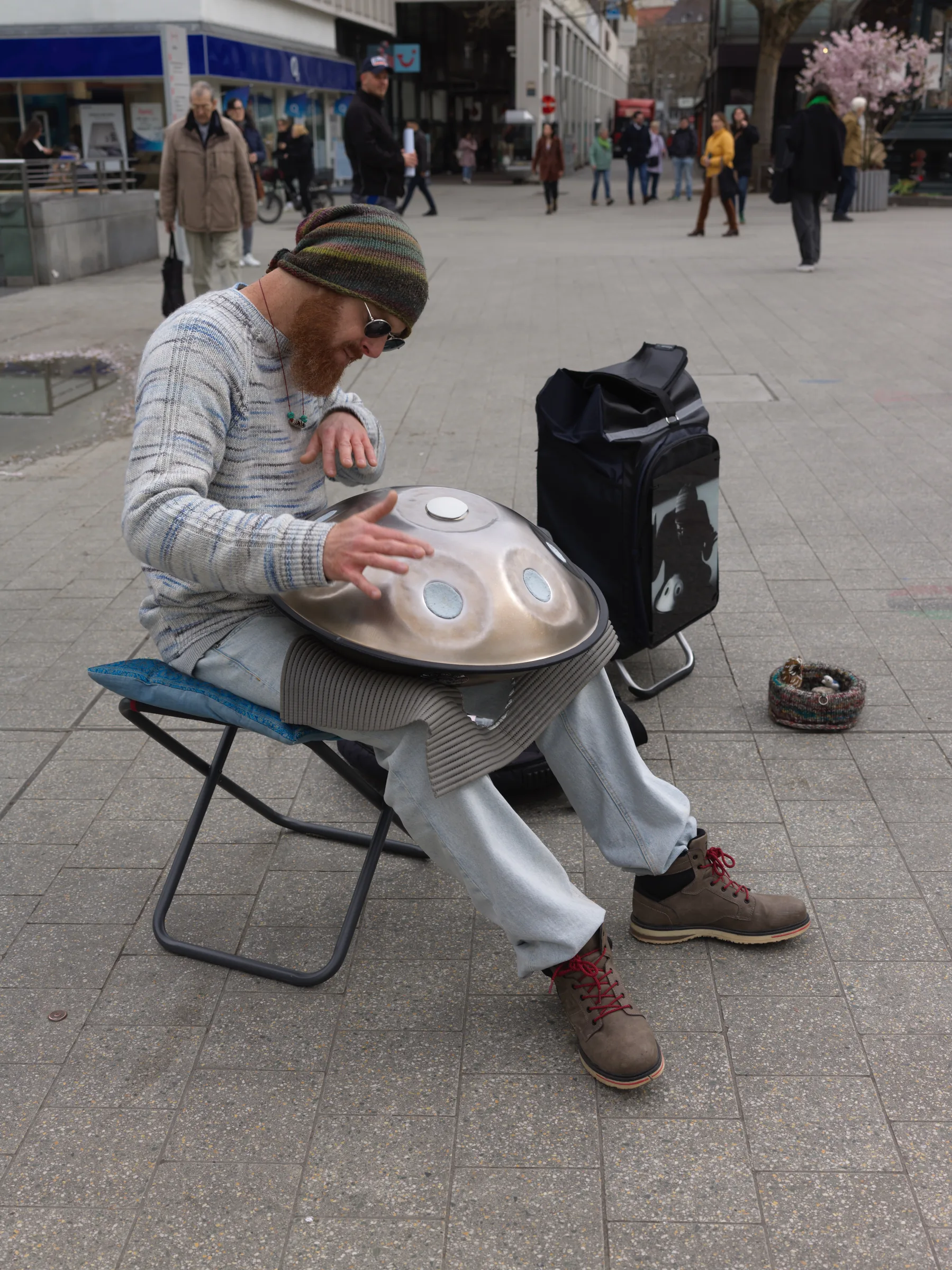
Ember Steel provides a unique resonance and distinctive sound. Musicians value these materials for their effect on playing. For example, some prefer stainless steel for its clarity, while others appreciate nitrided steel for its tonal warmth.
Choosing the right material is crucial depending on playing style and sound preferences. Proper maintenance is important for preserving a handpan’s sound and durability. Stainless-steel handpans can be cleaned with a dry cloth. Those made from nitrided steel require damp cleaning and must be protected from thermal shock.
Manufacturing requires retuning the handpan and allowing it to rest so that the notes stabilize. On average, it demands 40 to 50 hours of precise work. This demonstrates the complexity of the craftsmanship and the care needed to create a quality instrument.
Conclusion
The handpan is a unique instrument, created in 2000 by Felix Rohner in Switzerland. It is known for its aesthetic appeal and accessibility. It has gained popularity in the world of alternative music thanks to its many sounds, from the D minor scale to Ake Bono.
It is made from pre-tuned steel shells. This creates soothing sounds that appeal both to seasoned musicians and to beginners seeking serenity.
The diversity of materials, such as stainless steel and nitrided steel, is essential. It ensures sound quality and the instrument’s longevity. The handpan is ideal for meditation, yoga, or sound healing.
It uses sound vibrations to improve our emotional balance. It is an excellent choice for those who want to incorporate music into their daily lives.
In conclusion, the handpan is becoming increasingly popular. It is valued for its soothing effect and therapeutic role. Its deep sounds, creative potential, and impact on well-being make it an essential instrument for fans of alternative music. Discover this captivating world and let the handpan’s vibrations carry you away.