

The handcrafting of a handpan, a percussion instrument with captivating tones, is an art that combines technical expertise and passion. We will explore how to make a handpan by looking at its materials, techniques, and tuning.
Every stage, from choosing the steel to tuning, is crucial to creating unique ethnic music. This music touches the souls of musicians and listeners alike.
Introduction to the handpan
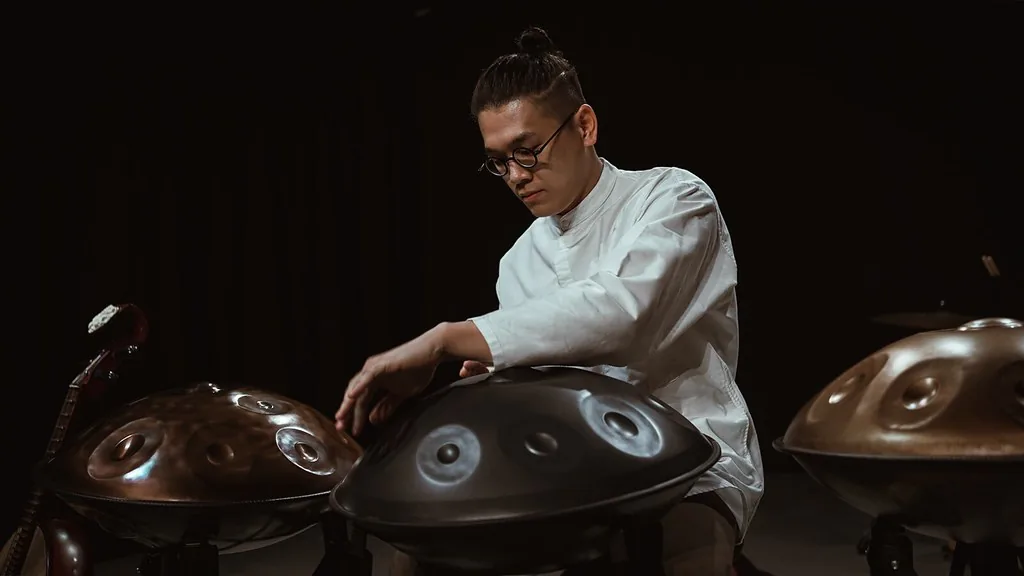
The handpan is a percussion instrument that is growing in popularity. It is known for its unique sound and its many musical uses. This steel drum has won over many enthusiasts with its soothing effect and harmonious melodies.
What is a handpan?
The handpan consists of two specially shaped steel shells. This shape creates harmonic notes when the instrument is struck. It supports a wide variety of playing styles, from improvisation to structured compositions. Prices vary by maker, ranging from $1,299.00 for a D pentatonic model to $1,399.00 for a model offering several keys.
Origin and evolution of the instrument
The handpan emerged in the 2000s, inspired by the steel drum but reinvented by modern craftspeople. Today, more than 100 makers offer scales such as Kurd, Hijaz, and Pygmy. In 2013, PANArt stopped producing the Hang drum to protect the instrument’s uniqueness. The handpan has become a distinctive 21st-century instrument, appreciated by musicians and people seeking relaxation.
Materials needed to make a handpan
Making a handpan requires a sound understanding of the necessary materials and tools. Steel is essential because of its ability to produce sound and its durability. There are different types of steel, each providing specific tonal qualities.
Types of steel used
Several types of steel are used for handpans:
- Stainless steel: it resists corrosion and offers a clear sound. It is more expensive and heavier, but requires little maintenance.
- Nitrided steel: it is valued for its warm sound. It is durable but requires moderate maintenance.
- Ember Steel: less common, it offers unique resonance. However, it is expensive and rare.
Essential tools
Having the right tools is essential for success. The recommended tools are:
- Work gloves
- Safety glasses
- Hammer
- Pliers
- Shaping tools for the shells
- Measuring tools for accurate cuts
Key stages in making a handpan
Making a handpan involves several important stages. These ensure the instrument’s sound quality and durability. Craftspeople must pay close attention to each one to achieve the best result.
Preparing the sheet steel
The process begins by cutting the steel sheets. They are generally square and 1 to 1.2 millimeters thick. This stage is essential because it establishes the foundation of the handpan. Some craftspeople use steel intended for drainage systems, while others prefer stainless steel for its resistance to rust.
Forming the shell
After the steel has been prepared, the shell is formed. This stage uses techniques such as hammering and pressure forming to create the handpan’s domes. Craftspeople may use hand hammers or pneumatic machines, depending on the desired degree of precision. Striking the right balance between appearance and function is crucial.
Trimming and nitriding
The final stage includes trimming away excess material and nitriding. This treatment strengthens the steel, protects it against rust, and increases its rigidity. Nitriding can take several weeks. This stage is not necessary for handpans made of stainless steel or coated with epoxy lacquer. The quality of the material affects the instrument’s lifespan and sound quality.
Tuning a handpan: a crucial stage
Tuning is crucial for a handpan because it ensures that every note sounds true. Every hammer blow changes the pitch. Craftspeople must therefore have a thorough knowledge of tuning techniques to ensure good stability and clarity.
Importance of tuning
A handpan’s sound comes from its tuning. With diatonic scales and seven notes, it develops great harmonic richness. The dimples and resonance hole enhance the sound and make every note unique.
Tuning techniques
Tuning techniques include hammering and the use of strobe tuners. These methods ensure a perfect balance between the harmonics and the fundamental note. In this way, craftspeople create an instrument with a rich, lasting sound.

Creating notes and harmonics on the handpan
Creating notes on a handpan requires careful planning. Craftspeople mark the locations of the tones based on different scales. On the Naos handpan, the main note, or ding, is located at the top. It serves as the tonic. The lower notes add complexity and flexibility.
How are the notes defined?
Each note contains three frequencies: the note itself, its octave, and its fifth. These frequencies create oval shapes on the instrument. Understanding these relationships is essential for achieving a rich playing experience.
The role of harmonics in the sound
The harmonics enrich the handpan’s sound. By playing with harmonics, musicians discover new sonic dimensions. The clap and shoulder tone add variety and attract more listeners.