

Choosing a handpan scale is essential for enjoying a unique musical and emotional experience. The handpan, a distinctive instrument, emphasizes sound and harmony. Every performance therefore becomes deeply personal. Handpans, which belong to the idiophone family, come in various scales. Each scale has unique tones, perfect for relaxation or creative inspiration.
When buying a handpan, consider your musical sensitivity. Scales such as AmaRa, Kurd, and Pygmy are perfect for beginners. They are easy to learn and highly accessible.
Choosing a handpan also means paying attention to how its sounds make you feel. This choice can enrich your musical life and help you connect spiritually.
Introduction to the handpan
The handpan is a musical instrument that is attracting more and more enthusiasts. It consists of two metal shells. This unique instrument produces a captivating melody through notes arranged around a central note known as the “Ding.” It is easy to learn and opens the door to new musical discoveries.
What is a handpan?
The handpan emerged from the evolution of percussion instruments. It combines acoustic and cultural influences to become a popular choice in alternative music. Its unique structure can produce different tones and offers great freedom of expression.
Origins and evolution of the instrument
The handpan was created by Felix Rohner and Sabina Schärer of PANArt in the early 2000s. It was officially introduced in 2001 and quickly gained popularity. More than 400 makers around the world have since contributed to the evolution of this instrumental music.
The term “handpan” sparked controversy, but it has been widely used since appearing online in 2007. Models such as the Caisa, Halo, and Spacedrum were created between 2007 and 2011. These models expanded the world of the handpan.
The handpan appeals to a wide audience, particularly because of its ability to promote relaxation and meditation. It is popular with yoga teachers and sound-healing practitioners. Its evolution points toward further innovations.
Understanding the different handpan scales
Choosing a handpan requires a good understanding of its scale. The scale affects the quality of the sound and the emotions it evokes. Each scale has its own distinctive qualities and affects musicians differently. It is important to explore the various scales to find the one that suits you best.
The importance of scale when choosing
A handpan scale influences its sounds and the emotions they evoke. The central note is crucial to the scale. Listening to different scales helps you choose an instrument that matches your preferences and awakens the desired emotions.
Types of scales available
Several scales are available for the handpan:
- Major scales, such as C major, which create a joyful atmosphere.
- Minor scales, such as D minor, which have a melancholic character.
- Hexatonic scales, consisting of six notes, which offer unique sounds.
- Pentatonic scales, ideal for improvisation.
- Chromatic scales, which include all twelve notes.
- Greek modes, such as Dorian and Phrygian, which provide different tonal colors.
These scales create different moods, ranging from joy to inspiration.

Major, minor, and Eastern scales
Major scales, minor scales, and Eastern scales offer a variety of choices for the handpan. Each type has distinctive characteristics that influence its sound and the emotions it evokes.
Characteristics of major scales
Major scales are associated with joy and happiness. They create a bright atmosphere, perfect for light music. These melodies are ideal for celebrations or therapy.
The nature of minor scales
Minor scales evoke deep emotions. They are often used in films because of their ability to convey intense feelings. These tones add a darker touch to the cinematic experience.
The distinctive qualities of Eastern scales
Eastern scales have mystical tones. They create a meditative atmosphere, ideal for meditation and yoga. These scales provide deep relaxation and make every listening experience unique.
Handpan materials and construction
Choosing the right materials is crucial to a handpan’s sound. Stainless steel and nitrided steel are the main options. Each has advantages and disadvantages that affect both the sound and playing experience.
Differences between stainless steel and nitrided steel
Stainless steel is durable and produces a warm sound. It needs frequent cleaning, but withstands moisture well. Nitrided steel produces a short, percussive sound that is perfect for rhythm. However, it rusts easily and requires more care.
How materials affect the sound
The materials alter the sound quality of a handpan. Stainless steel offers a wide variety of timbres, enriching its harmonies. Nitrided steel makes the notes clear and powerful. Makers such as PANArt and Pantheon Steel use hammering and hydroforming to optimize these materials.
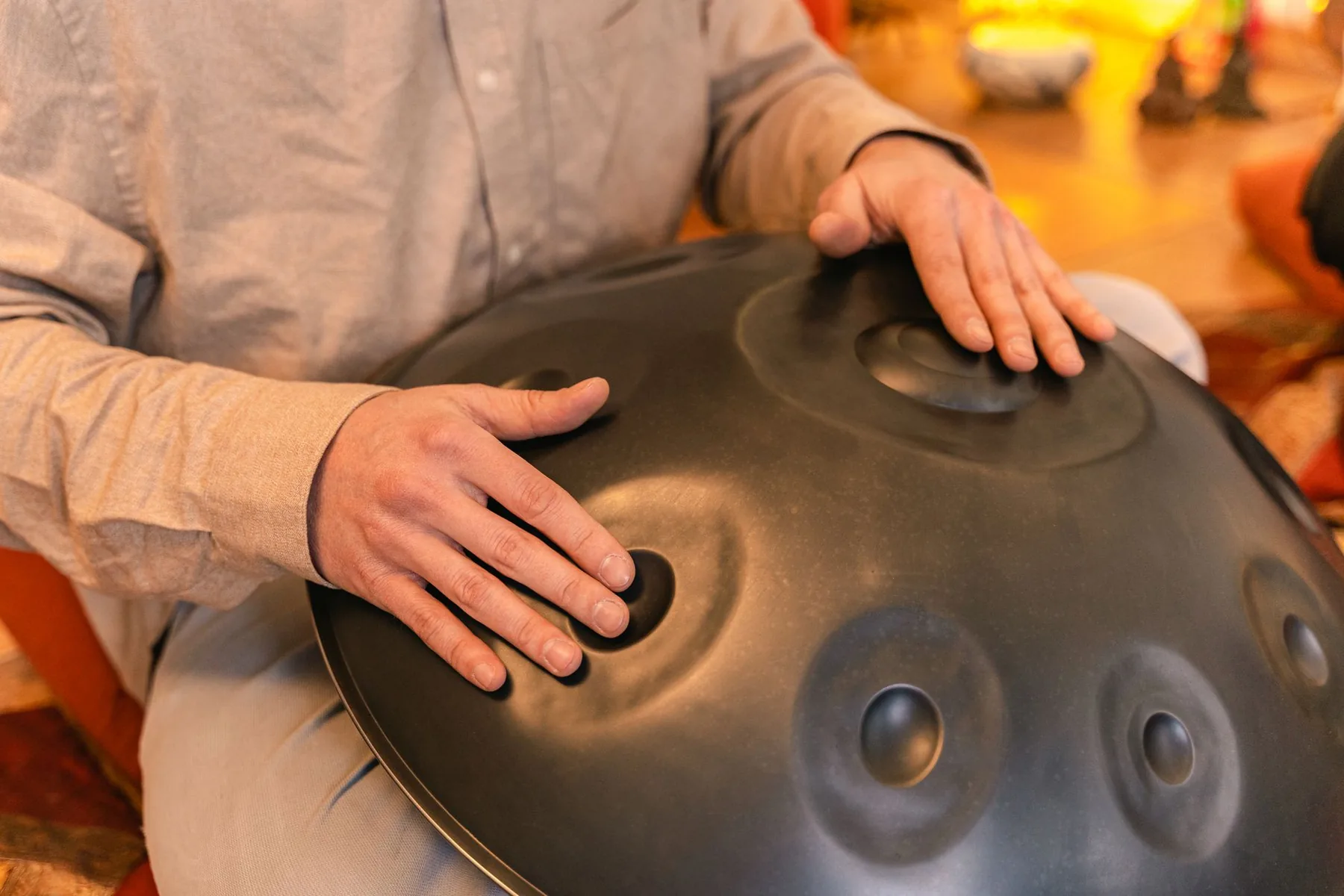
Handpans vary in diameter and number of notes, which are known as “Dimples.” They have oval plates called “Tonefields.” For more details, see this article.
| Characteristic | Stainless steel | Nitrided steel |
|---|---|---|
| Durability | Good rust resistance | Less resistant to moisture |
| Sound | Warm sound, good sustain | Percussive sound, clear projection |
| Maintenance | Regular maintenance required | Requires more careful maintenance |
Choosing the right handpan for your needs
When considering buying a handpan, several factors are important. Price and budget are essential when finding the perfect instrument. The number of notes is also crucial to your musical experience.
Assessing price and budget
The price of handpans varies considerably. Steel models, which account for 60% of the total, offer a deep sound but require regular maintenance. The 40% made from steel nitrate are more resistant to corrosion but cost more. The price of a new handpan can vary significantly.
| Type of handpan | Price in euros |
|---|---|
| 9-note handpan in G minor | 730.00 to 1,030.00 |
| Mandala Space in D minor – D Kurd | 1,090.00 |
| 9-, 10-, or 12-note Divin handpan in D minor Kurd | 1,190.00 |
| 9-, 10-, or 12-note Dragon handpan in D minor Kurd | 1,290.00 |
Secondhand options are also available for beginners. Setting a budget helps you choose among the available models.
The number of notes and how it influences playing
The number of notes changes how the instrument is played. Handpans have between 7 and 9 notes. With at least 8 notes, they are highly versatile and offer a beautiful sound. A handpan with more notes is preferable for greater harmonic possibilities, but it is more difficult to play.
Scales such as D minor, G minor, and C major evoke different emotions. This enriches the musical experience.
It is important to listen to handpans before buying one. This helps ensure that your choice meets your expectations in terms of sound and appearance.

Conclusion
Choosing a handpan is a crucial decision that goes beyond technical considerations. You need to explore scales, materials, and configurations to find the perfect instrument. Crafted by artisans, the handpan is more than just an instrument. It is a means of expression that enriches today’s music.
The materials and notes influence the sound and the emotion you want to share. Depending on the moment, a handpan can soothe or awaken. Every choice, from the scales to the nuances, shapes the musical experience.
The handpan is a true musical partner, capable of conveying powerful emotions. By listening, experimenting, and reflecting, you create unique musical memories. The world of handpans invites you to explore your creativity and connect with the world.