
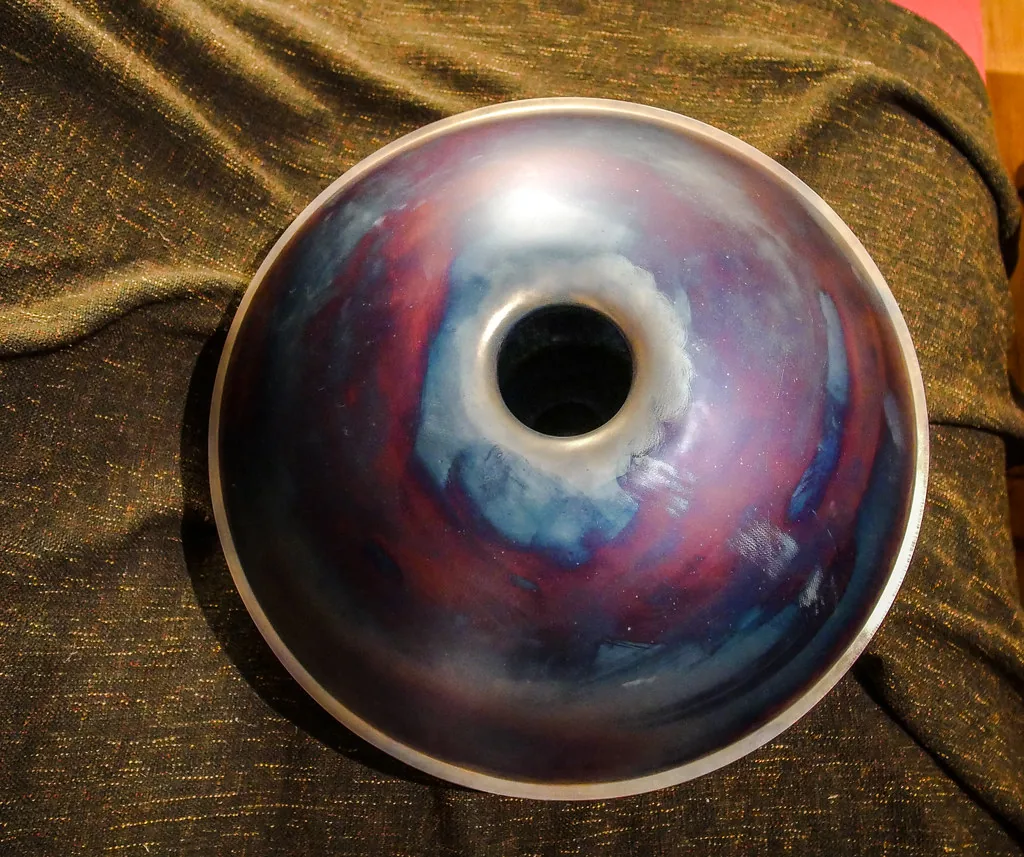
The handpan is a captivating melodic instrument that combines modern design with mesmerizing sounds. In France, several craftspeople stand out for their unique expertise and offer outstanding creations.
Among the iconic brands, Shellopan and Baopan represent French acoustic excellence. Their precisely crafted models appeal to beginners and experienced musicians alike.
This guide will help you navigate the world of locally made instruments. You will discover the distinctive features of French workshops, their price ranges, and their production lead times.
Introduction to the handpan: a fascinating instrument
Created in Switzerland in 2001, the handpan instrument has won over musicians with its unique sound. Today, more than 300 workshops worldwide continue this tradition and deliver remarkable acoustic quality.
What is a handpan?
Made from two shells of nitrided steel or stainless steel, the handpan produces notes through hammered tone fields. The central ding produces the main tone, while the gu, the resonance hole, enriches the harmonics.
| Material | Advantages | Service life |
|---|---|---|
| Nitrided steel | Corrosion resistance, warm sound | More than 10 years |
| 430/441 stainless steel | Brightness, light weight | 8 to 10 years |
Why choose a handpan made in France?
French makers, such as Elixia and Mayura, favor short supply chains. Their instruments receive an anticorrosion heat treatment and come with an extended tuning warranty.
Some workshops even recycle metal offcuts, thereby reducing their environmental impact. This local expertise guarantees durable and customizable handpan instruments.
Essential criteria for choosing a handpan
Choosing the right instrument depends on several technical and personal factors. Here are the key points to examine before investing in this unique musical object.
Materials: nitrided or stainless steel
Sound quality and durability vary according to the materials used. Here is a detailed comparison:
| Characteristic | Nitrided steel | 430/441 stainless steel |
|---|---|---|
| Sustain | Short, ideal for rhythm | Long, more than 8 seconds |
| Maintenance | Occasional cleaning | Monthly waxing |
| Thickness | 0.8 to 1.2 mm | 1.4 to 1.8 mm |
| Resistance | Impact-resistant (Easka) | Prone to scratches |
“Nitrided steel offers a fast response that is perfect for dynamic compositions, while stainless steel enhances slow melodies.”
Available scales and keys
Each scale creates a distinct atmosphere:
- D Kurd: perfect for beginners
- Celtic Minor: mesmerizing atmosphere
- Pygmy: ideal for meditation
For specific uses such as music therapy, Eastern scales such as Zaora provide distinctive harmonics.
Number of notes and range
The configuration directly affects the musical experience:
- 9 notes, including the ding: the ideal configuration for beginners
- 440 Hz: the standard for playing in a group
- 432 Hz: therapeutic frequencies
Models with fewer than 8 notes limit your progress. Choose instruments with a complete range to explore their full melodic potential.
Guide to handpan makers in France
France is home to outstanding workshops specializing in handpan creation. These craftspeople combine tradition and innovation to offer instruments with unique sounds.
Comparison table: prices, lead times, and specialties
Here is an overview of the main options offered by French makers:
| Brand | Price | Lead time | Specialty |
|---|---|---|---|
| Amatis Handpans | €1,000 to €1,500 | 1 month | Pentatonic scales |
| Saraz Handpans | €2,000 to €2,500 | 6 months | Antique-gold finish |
| PanStream | €1,500 to €2,000 | 2 months | Ergonomic innovations |
A closer look at renowned French craftspeople
Among the iconic workshops, Baopan stands out for its customized designs. CFoulke, meanwhile, offers bespoke models costing more than €2,500.
Lead times range from 15 days for RAV Vast to 1 year for Yishama Pantam. Certain labels, such as AFNOR certification, guarantee optimal quality.
- BalkanPan: affordable entry-level instruments
- Solopan: good value for money
- Ayasa: premium finishes
Where can you buy a handpan in France?
Finding the right place to buy a handpan in France may seem complicated, but several reliable options are available. Whether you prefer to buy in person or online, here are the best solutions.
Buying directly from the maker
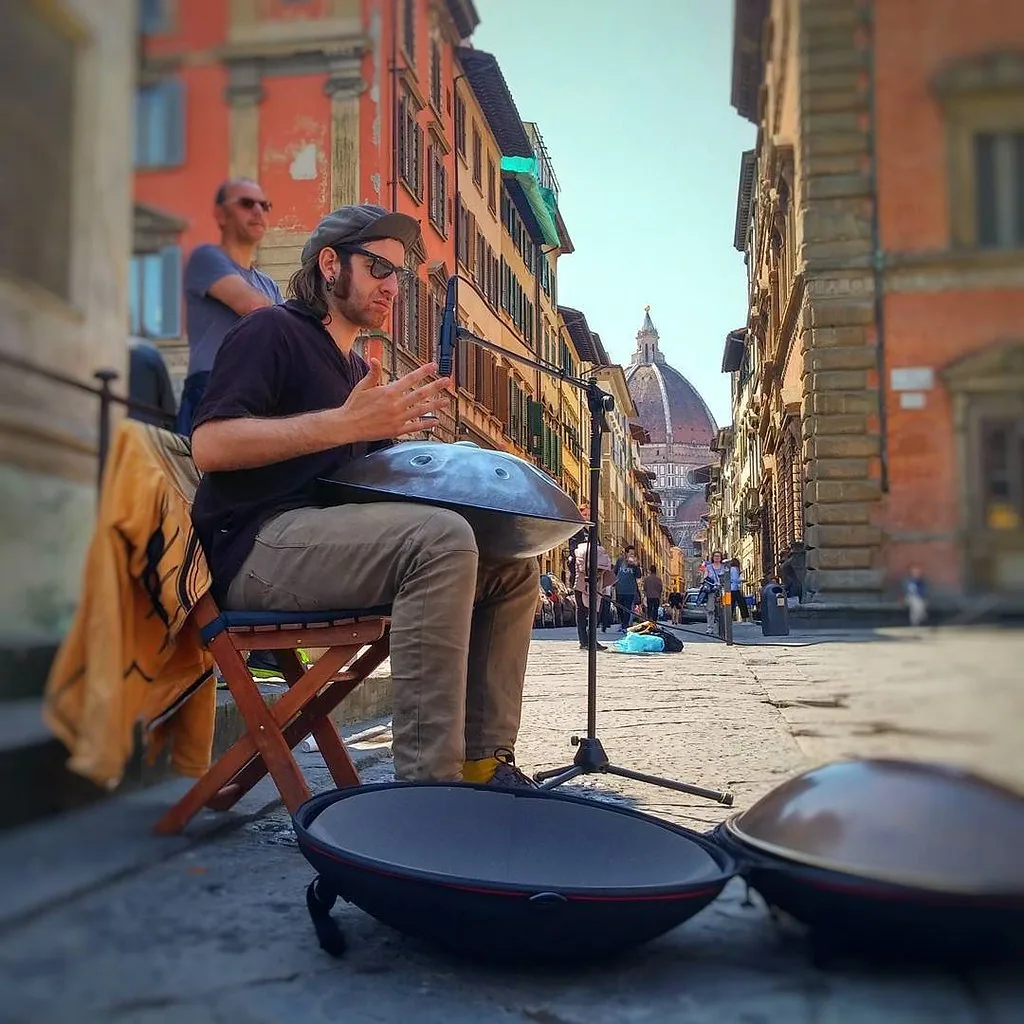
Choosing the maker’s workshop offers exclusive advantages. Some craftspeople provide free retuning for 2 years. You will also be able to try the instrument before buying it and discuss customization options.
Events such as the Handpan Festival also let you try different models free of charge. It is an ideal opportunity to compare their sounds.
Specialized online platforms
For a secure purchase, use verified platforms such as Handpan.World, which offers a 3-year warranty, or MyPan Marketplace. These sites provide regional filters and display certificates of authenticity.
“Online marketplaces are convenient, but beware of offers that seem too good to be true and cost less than €800.”
Brick-and-mortar music stores
In France, 12 retail outlets sell handpans, including Woodbrass in Paris. These music stores allow you to try an instrument immediately and offer expert advice.
- Djoliba (Toulouse): wide choice of scales
- La Baguetterie (Paris): after-sales service included
Always check the instrument’s origin and avoid uncertified resellers.
Budgets and average handpan prices
Investing in a handpan requires a good understanding of the available options. Prices vary considerably according to quality, brand, and technical specifications.
Price ranges by category
The market offers three main categories:
- Entry-level: €800 to €1,200, ideal for beginners
- Mid-range: €1,500 to €2,500, offering good value for money
- Premium: from €3,000, custom-made and featuring premium finishes
Some handcrafted models cost more than €4,000, particularly those made by renowned makers.
Factors affecting the cost
Several factors affect the final price:
- Labor (60% of the total cost)
- Materials (25%; nitrided steel costs 15% more)
- Research and development (15%)
Instruments with more than 10 notes cost 20% more on average.
“A used handpan priced at €900 may seem like a bargain, but always check its tuning and look for signs of oxidation.”
Used or new: benefits and risks
Buying used can save you 30%, but it has pitfalls:
| Criterion | New | Used |
|---|---|---|
| Warranty | At least 2 years | Rarely transferable |
| Condition | Perfect | Risk of microcracks |
| Customization | Complete | Limited |
Allow for additional costs: case (€150 to €300), stand (€80), and insurance (€50 per year). 78% of musicians prefer new instruments for their reliability.
Practical advice before buying
A successful purchase requires careful preparation. Here are the key steps for choosing an instrument that perfectly matches your musical expectations.
Trying the instrument: why is it crucial?
Always test the handpan before buying it. This step reveals details that specification sheets cannot show:
- Sustain: each note should last for at least 5 seconds
- Balance: check the harmony between low and high notes
- No unwanted noise: there should be no buzzing or undesirable vibration
One professional technique is to play an arpeggio. This allows you to assess the overall consistency of the timbre.
Questions to ask the maker
Talk with craftspeople to understand their manufacturing process. In particular, ask the following questions:
- “What kind of steel do you use, and where does it come from?”
- “Do you apply a specific heat treatment?”
- “Do you offer subsequent tuning adjustments?”
These factors determine the longevity of your instrument. For precise advice, consult this specialized buying guide.
Delivery lead times to consider
Handcrafting takes time. Always allow for the following lead times:
| Initial estimate | Actual lead time | Advice |
|---|---|---|
| 2 months | 2.5 months | Add a 25% buffer |
| 6 months | 7.5 months | Request monthly updates |
“Experienced musicians always recommend allowing an additional 3 months for unforeseen delays.”
If you need one urgently, some stores offer rentals. Handpan Connection provides this service from €50 per month.
Pitfalls to avoid when buying
Buying an instrument as distinctive as the handpan involves certain risks. Knowing the common pitfalls will help you make an informed and safe choice.
Recognizing counterfeits
Low-cost copies are flooding the market. Here is how to identify them:
- Weight under 5 kg, which is characteristic of standard Chinese models
- No CE marking or certificate of authenticity
- Gu resonance lasting less than 3 seconds
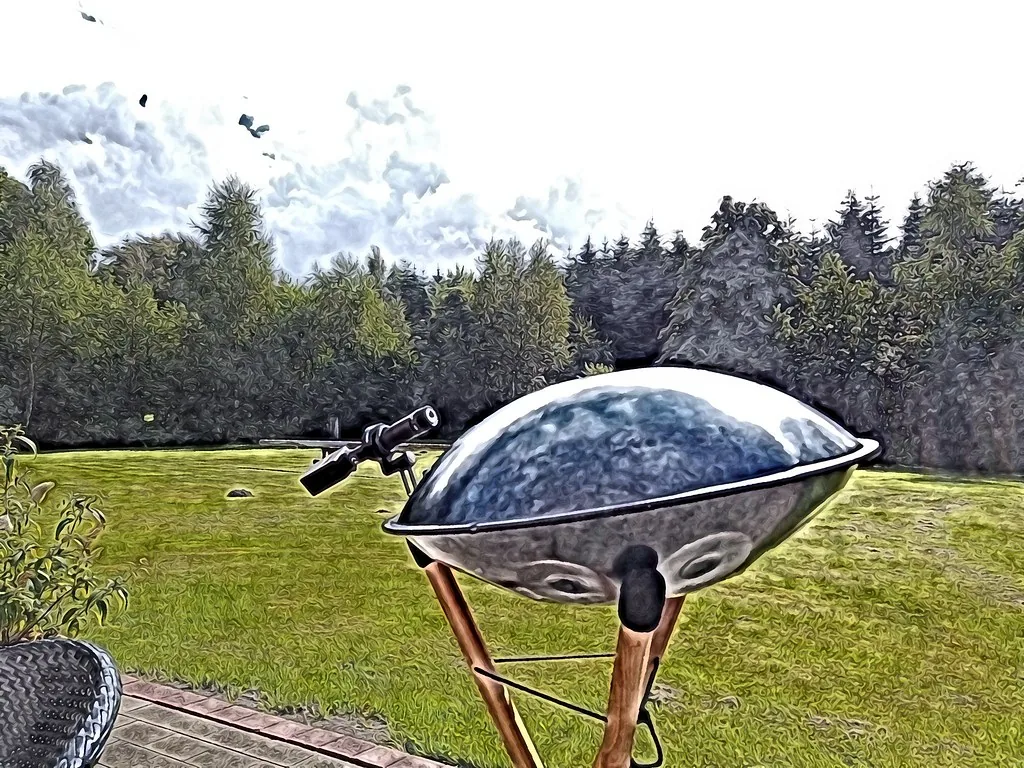
One simple test is to check the edges of the tone fields. On Shellopan instruments, this area is polished like a mirror, which is a sign of quality.
Common online scams
Online scams are becoming increasingly common. Be especially wary of the following:
| Type of scam | Warning sign | Solution |
|---|---|---|
| Stolen photos | Blurry or inconsistent images | Reverse image search on Google |
| Fake reviews | Overly generic comments | Check on Trustpilot |
| Prices that are too low | Offers under €800 | Compare them with official prices |
“The Handpan Secure association has identified 15 fraudulent websites. Always favor platforms with secure payment systems, such as Escrow.com.”
Signs of poor quality
An unscrupulous seller may try to conceal major defects. Here are the warning signs you should not ignore:
- Unstable tuning, such as that of the Bali Steel imitation
- Microcracks visible under magnification
- A metallic or unbalanced sound
For maximum security, consider having the instrument assessed by an independent instrument maker for around €80. This precaution can save you considerable disappointment.
Conclusion: finding the ideal handpan in France
To find a handpan that combines acoustic quality and durability, focus on three criteria: premium materials, a key suited to your style, and the craftsperson’s reputation. French makers such as Elixia offer ranges that you can try in their workshops.
An interactive map on HandpanMaster.fr can help you locate 37 workshops. Take advantage of masterclasses to learn directly from instrument makers: Mayura holds one every quarter.
The introduction of AI algorithms into tuning promises even more stable instruments. In the meantime, try them free of charge at 15 partner stores before making your final choice.