
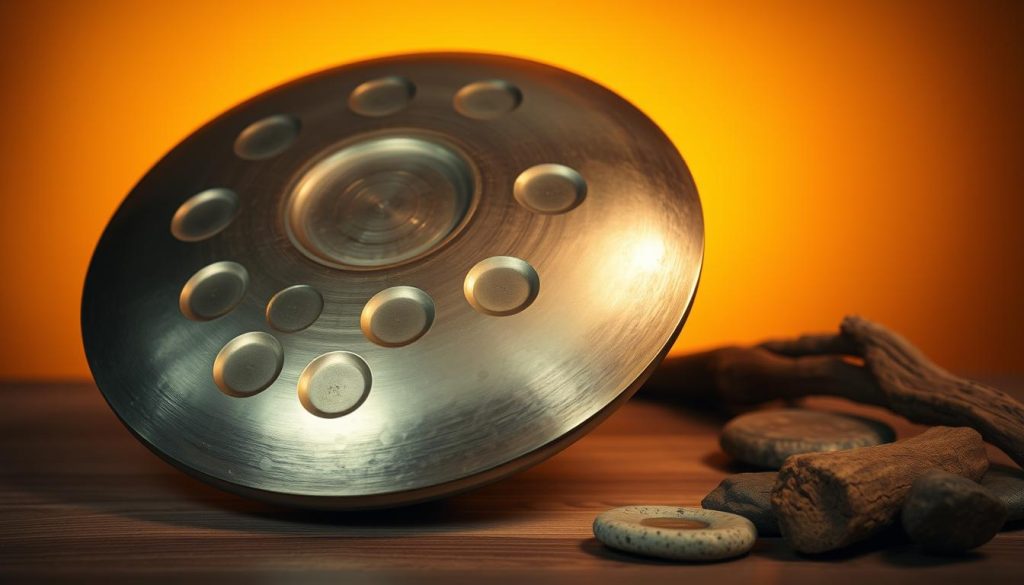
Buying a handpan is an important decision for any musician. This unique instrument produces captivating sounds, but choosing one requires careful consideration. Opting for a specialist artisan offers major advantages, including optimized sound quality and custom manufacturing.
Artisanal makers, such as Mypan in France, offer models suited to every need. Unlike retailers, they ensure better harmonic stability and an impeccable finish.
The price varies according to the instrument’s complexity and the materials used. However, investing in an artisanal handpan ensures unrivaled durability and customization. Take the time to compare the available ranges so you can make the right choice.
Why buy your handpan directly from a maker?
Turning to an artisan for your handpan offers unmatched advantages. A direct relationship with the creator ensures optimal acoustic quality and exclusive customization options. In addition, eliminating intermediaries significantly reduces costs.
Benefit from artisanal expertise
Makers master traditional techniques such as hand hammering and thermal tuning. A three-month process ensures perfect harmonic stability. “Each note is refined to resonate precisely,” explains a Lyon-based artisan.
Gain access to unique instruments
Unlike standardized models, an artisan can offer:
- Personalized engravings
- Special tunings (432 Hz, Eastern scales)
- Custom finishes
Avoid intermediaries and their markups
Retailers apply markups of 30% to 50%. Here is a comparison for a D minor model:
| Source | Average price | Lead time |
|---|---|---|
| Maker | €1,200 | 3 months |
| Retailer | €1,800 | 1 month |
Investing in an artisanal handpan builds trust through complete material traceability. Musicians benefit from greater durability and a more authentic sound.
Tips for buying a handpan directly from a maker: the essential criteria
Selecting an artisanal handpan rests on three fundamental pillars. These factors ensure an enriching musical experience and a lasting investment.
Assessing acoustic quality
Sustain (resonance duration) and note balance are paramount. Test every area of the instrument to detect dissonance. A good handpan offers perfect harmony among its overtones.
Here is a simple method:
- Strike each note with the same intensity.
- Listen to its resonance and stability.
- Check that there is no crosstalk (interference between notes).
The maker’s reputation
Favor certified artisans, such as those listed on Handpan.org. Ask for guarantees covering the materials and techniques used.
Signs of quality include:
- Transparency about the origin of the steel.
- Verifiable customer testimonials.
- A workshop that is open for trial sessions.
Customization options
A genuine maker offers unique options. From hybrid scales to scratch-resistant finishes, every detail matters.
Examples of successful customizations:
- 432 Hz tuning for a soothing sound.
- Personalized engravings on the shell.
- A choice of colors and textures.
Taking the time to choose a handpan suited to your style will maximize your playing enjoyment. Quality should always take precedence over how quickly you can acquire the instrument.
Choosing the right material for your handpan
Two types of steel dominate the handpan market: nitrided steel and stainless steel. This technical choice affects resonance, note stability, and resistance to climatic conditions.
Nitrided steel or stainless steel
Nitrided steel offers warm, complex overtones. Its heat treatment creates a natural protective layer. Stainless steel, by contrast, produces brighter sounds with longer sustain.
Main differences:
- Density: nitrided steel (7.8 g/cm³) versus stainless steel (8.0 g/cm³)
- Average resonance: 12 seconds versus 15 seconds
- Oxidation resistance: moderate versus excellent
| Characteristic | Nitrided steel | Stainless steel |
|---|---|---|
| Sound projection | Ideal indoors | Better outdoors |
| Cleaning frequency | Once a month | Once every three months |
| Typical lifespan | 10 years | 15 years or more |
Comparing care and durability
Care varies by alloy. For nitrided steel, apply a dedicated wax every month. Stainless steel requires only a damp microfiber cloth.
Demanding environments:
- Humid areas: favor stainless steel
- Temperate climates: both are suitable
- Frequent transport: a hard case is essential
Proper care can double your instrument’s lifespan. Always consult the maker’s recommendations to preserve its acoustic quality.
How to select the ideal musical scale
The musical scale defines the soul of your handpan and directly influences your playing. Each tuning creates distinct sounds capable of evoking different emotions. A 2023 psychoacoustic study found that major scales stimulate joy, while minor scales inspire melancholy.
Major, minor, and Eastern scales
Major scales, such as D major, offer bright melodies. Perfect for composition, they suit energetic styles. Minor scales, such as D minor, provide an emotional depth that is ideal for meditation.
Eastern scales, with their quarter tones, add an exotic touch. They require technical skill but open up endless creative possibilities.
The popularity of D minor for beginners
D minor is highly popular among beginners because of its harmonic stability. Its characteristic intervals (D-A-C) make improvisation easier. “This scale enables intuitive progressions,” confirms a Lyon-based teacher.
Comparison of scales for beginners:
- D minor: a perfect balance between simplicity and expressiveness.
- G major: clear sounds suitable for children.
- A harmonic minor: for exploring nuances.
Try several scales before choosing. Your musical style and listening preferences will guide your decision.
Understanding the different tuning frequencies
Choosing a specific tuning transforms your musical practice. The right frequency enhances expressiveness and aligns with your needs, whether for relaxation or ensemble playing.
432 Hz for relaxation
This so-called “natural” frequency is said to resonate with biological rhythms. According to a 2023 study by the University of Lyon, it promotes well-being and reduces stress.
Typical applications:
- Sound meditation and vibrational therapies.
- Yoga-focused festivals (e.g., Namaste Festival).
- Recordings intended to induce a calm state.
440 Hz for ensemble playing
As the international standard, this frequency ensures compatibility with other instruments. Ideal for collective composition, it provides immediate pitch consistency.
Tips for musicians:
- Use a conversion kit (electronic capo) to adapt a 432 Hz handpan.
- Practice with metronomes set to 440 Hz.
- Check the tuning before each session.
Therapists often favor 432 Hz, while ensembles choose 440 Hz. Try both to discover which specific tuning resonates with your musical world.
Determining the optimal number of notes
The number of notes directly influences your musical experience. An instrument well suited to your technical level encourages steady progress while preserving the enjoyment of playing.
9 to 10 notes for beginners
Smaller models are intuitive to play. With fewer notes to master, learning becomes more accessible. “This configuration lets players focus on the fundamentals,” explains a teacher at the Marseille conservatory.
Key advantages:
- Light weight (3 to 4 kg) for better ergonomics
- Simplified arrangement of the playing areas
- An average cost reduction of 30%
As this expert points out, the first few months of learning often determine the rest of the musical journey. An overly complex instrument can be discouraging.
Versatile 17-note instruments
Advanced handpans open up limitless creative possibilities. Their versatility suits experienced musicians seeking to explore new horizons.
Supported techniques:
- Complex harmonies with layered chords
- Advanced percussive playing using the entire surface
- Simultaneous improvisation across several registers
| Criterion | 9 notes | 17 notes |
|---|---|---|
| Average weight | 3.5 kg | 6.2 kg |
| Learning time | 3 months | 9 months |
| Average price | €950 | €1,800 |
One virtuoso interviewed confirms: “My 22-note model allowed me to progress to symphonic compositions. But I started with a simple eight-note handpan.”
For those considering intensive practice, some experts recommend investing directly in a full-featured instrument. A single purchase avoids the cumulative cost of gradual upgrades.
Evaluating a handpan maker
Choosing the right artisan is crucial to obtaining a quality instrument. Reputable makers stand out through their transparency and expertise. Take the time to assess several criteria before making your decision.
Visit the workshop if possible
An on-site visit reveals the quality of the manufacturing process. A professional workshop should have:
- A dedicated hammering and tuning area
- Acoustic testing equipment
- A drying area for finishes
Ask these technical questions:
- What type of heat treatment do you use?
- How do you check note stability?
- What method do you use to prevent oxidation?
Check customer testimonials
Authentic reviews often have these characteristics:
- Specific details about sound quality
- Photos of the instrument received
- Responses from the maker to comments
Be wary of generic reviews such as “Great product!” that provide no explanation. Consult several specialist sites to cross-check the information.
Examine manufacturing lead times
A high-quality artisanal process takes time. Compare the stated lead times with industry standards:
| Stage | Normal duration | Warning sign |
|---|---|---|
| Hammering | 2 to 3 weeks | Less than 5 days |
| Tuning | 4 to 6 weeks | “Express” tuning |
| Finishing | 1 to 2 weeks | Accelerated drying |
Request written guarantees covering lead times and materials. A good contract includes:
- A refund clause in the event of a significant delay
- A commitment regarding steel quality
- Return conditions in the event of a defect
Taking these precautions helps you buy with confidence. A genuine professional will readily accept these checks.
The purchasing and delivery process
Acquiring an artisanal instrument involves crucial steps to ensure satisfaction and security. A methodical approach prevents unpleasant surprises and ensures a smooth experience.
Try before you buy
A thorough trial reveals the instrument’s sonic personality. Follow this protocol:
- Check the resonance of each note with a pick
- Test the overtones by playing simple chords
- Check the balance between the low and high registers
Some shops offer virtual trial sessions by video call. This option allows you to evaluate the technical characteristics remotely.
Warranties and after-sales service
Protection varies among artisans. Compare these key elements:
| Maker | Coverage | Duration |
|---|---|---|
| ZenaPan | Tuning and structure | 5 years |
| Other brands | Structure only | 2 years |
Favor offers that include free servicing. Good after-sales support also provides personalized care advice.
Protection during transport
The packaging must meet strict standards:
- ISTA 3A-certified hard case
- Shock-absorbing material (EVA foam)
- Humidity-control case
In the event of damage, report it immediately and include supporting photos. Shipping insurance generally covers repairs within 48 hours.
Choose secure storage options if delivery must be postponed. Some workshops keep the instrument under controlled conditions until dispatch.
Conclusion: making the right choice with confidence
Your musical journey begins with an instrument that resonates with your aspirations. In summary, prioritize acoustic quality, the artisan’s reputation, and customization options. These criteria ensure a satisfying experience.
The market is moving toward greater specialization. Trends in 2025 show rising demand for hybrid scales and durable finishes. Stay informed through specialist resources.
To deepen your knowledge, attend workshops organized by artisans. These meetings offer valuable information about manufacturing techniques.
Finally, consult the catalogs of certified workshops. Your future instrument deserves your full attention and trust.