

Buying a handpan, this captivating musical instrument, can be an exciting experience. More and more enthusiasts are turning to India to purchase high-quality handcrafted models, often at competitive prices.
In recent years, import costs from India have fallen, offering an attractive alternative to other markets. It is essential to choose certified manufacturers to avoid counterfeits and comply with European standards.
On specialist websites, check the legal notices and customer reviews. A secure transaction ensures that your musical instrument is delivered in perfect condition.
In this article, discover the key steps to buy a handpan with confidence. We guide you through a successful purchase, from selection to delivery.
Why buy a handpan made in India?
India has become a leading destination for handpan enthusiasts. Its craftsmanship combines tradition and innovation, offering instruments that are both affordable and high-performing.
Excellent value for money
The prices of Indian handpans are often 30 to 50% lower than those on European markets. A handcrafted model of high quality costs around €1,000, compared with €500 for a counterfeit.
Sea freight reduces costs even further, with significant savings on 10-note models.
Recognized craftsmanship
India is the world’s 11th-largest exporter of metal products. Its manufacturers have mastered nitrided steel, ensuring a longer service life.
Artists such as Ravi Shankar have helped showcase this musical heritage.
A wide variety of scales available
Several scales are available:
- D Kurd: ideal for beginners.
- Amara: warm, deep tones.
- Pygmy: compact and easy to transport.
| Characteristic | Nitrided steel | Stainless steel |
|---|---|---|
| Service life | More than 15 years | 10 years |
| Maintenance | Minimal | Frequent |
| Average price | €950 | €1,200 |
Each scale offers unique tones suited to different musical styles. Nitrided steel, typical of Indian models, offers excellent value for money.
Choosing the right handpan: essential criteria
Choosing an instrument as unique as the handpan requires careful consideration. Several technical factors directly affect sound quality and ease of use.

Number of notes and musical scale
Configurations generally feature between 8 and 12 notes. For beginners, the D Kurd scale remains the benchmark thanks to its versatility.
- 7 to 9 notes: ideal for learning
- 10 to 12 notes: offer more melodic possibilities
- Pygmy: a compact format for travelers
Learn more about the different available scales to help you choose.
Comparison of steel types
The material directly affects service life and maintenance:
| Characteristic | Nitrided steel | Stainless steel |
|---|---|---|
| Sound | Powerful and percussive | Warm and rounded |
| Resistance | Sensitive to moisture | More durable |
| Maintenance | Regular | Occasional |
Nitrided steel offers 30% longer sustain, according to comparative tests.
Tuning frequency: 440 Hz or 432 Hz?
This decision affects harmony with other instruments:
- 440 Hz: the international standard
- 432 Hz: more natural frequencies (2022 university study)
Tuning tools certified by instrument makers ensure optimal accuracy.
Take the time to assess each criterion to find the type of handpan that suits your musical practice.
How to import a handpan from India with peace of mind
Finding a reliable supplier is the first step toward a successful purchase. Specialist websites are full of offers, but only verified manufacturers guarantee quality and durability.
Identifying reliable manufacturers
Give preference to workshops affiliated with organizations such as Kema. A simple checklist can help assess their credibility:
- Verifiable track record (at least 5 years in business).
- Client portfolio with testimonials.
- Transparency about the materials used.
Checking quality certifications
ISO 9001 and IEC 60529 standards are essential. They guarantee that the instrument can withstand moisture and impacts.
One importer reports:
“Fraud was prevented by checking the IEC certificate. The water-resistance test had been falsified.”
Ordering a sample before purchasing
A sample (average cost: €150 to €300) reveals the true quality. Check:
- The accuracy of the notes after shipping.
- The absence of microcracks.
- The finish of the edges.
Production lead times range from 6 to 8 weeks. Plan your order accordingly.
Negotiating with Indian artisans
Negotiating with Indian artisans requires a strategic approach. Their “Aatma Nirbhar Bharat” policy promotes lasting partnerships, but prices and lead times vary according to several criteria.
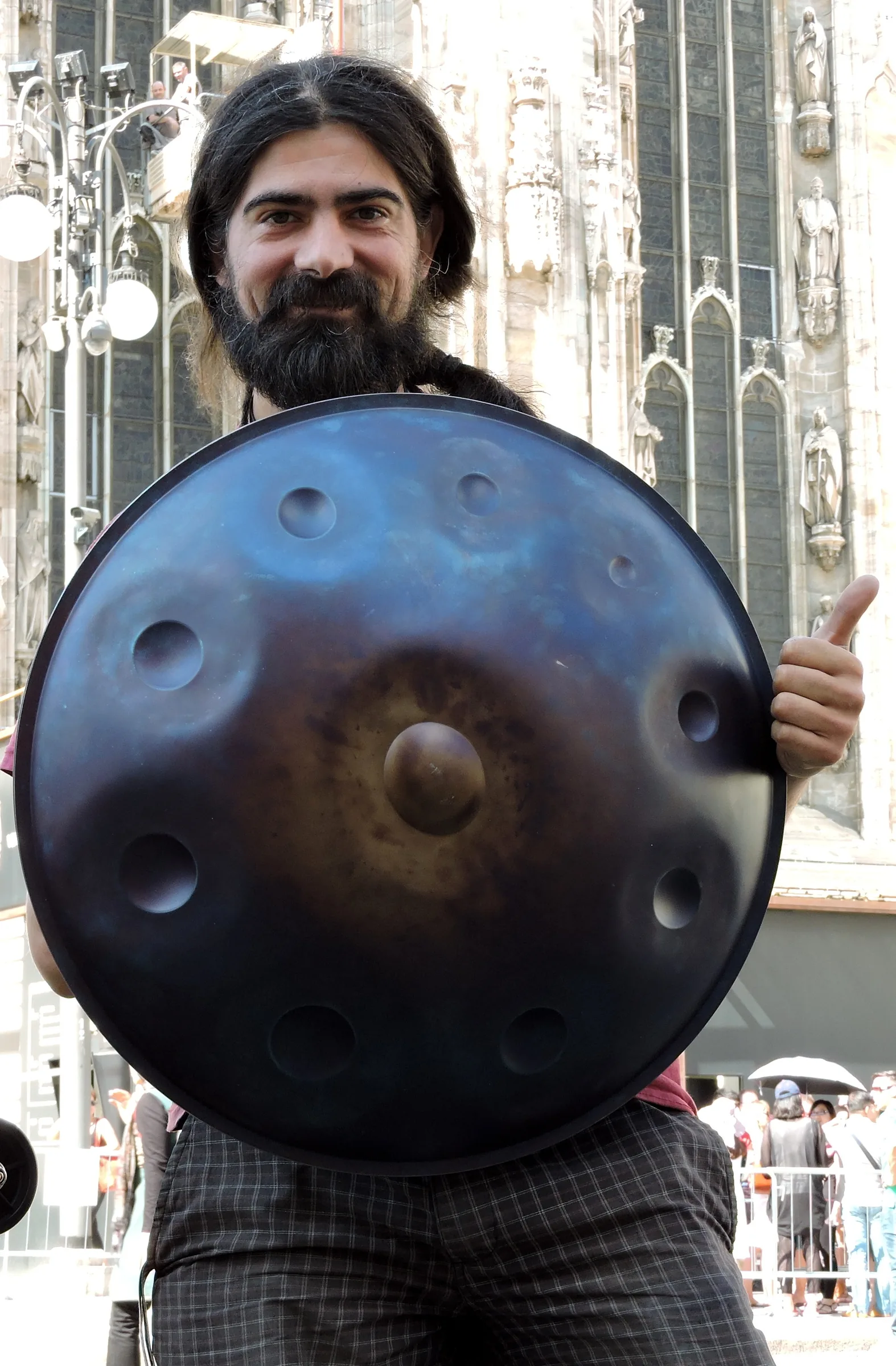
Average prices and room for negotiation
Prices depend on the type of steel and the number of notes. Here is an indicative price guide:
| Model | Nitrided steel | Stainless steel |
|---|---|---|
| 8 notes | €800 | €1,100 |
| 12 notes | €1,200 | €1,500 |
Negotiated discounts can reach 10 to 15% for bulk orders. Build a long-term relationship to secure additional discounts.
Realistic production lead times
Allow 6 to 8 weeks under normal conditions. During the monsoon season (June to September), delays may increase by as much as 25%.
One artisan confirms:
“Lead times are often underestimated. Allowing an extra 2 weeks helps avoid unpleasant surprises.”
Secure payment terms
Choose a payment schedule:
- 30% when ordering.
- 50% halfway through production.
- 20% upon delivery.
Beware of requests for full payment in advance. Solutions such as Coface credit insurance protect your investment.
International logistics and shipping
Arranging transportation for such a valuable instrument requires special care. The available options vary according to budget, lead time, and desired security level.
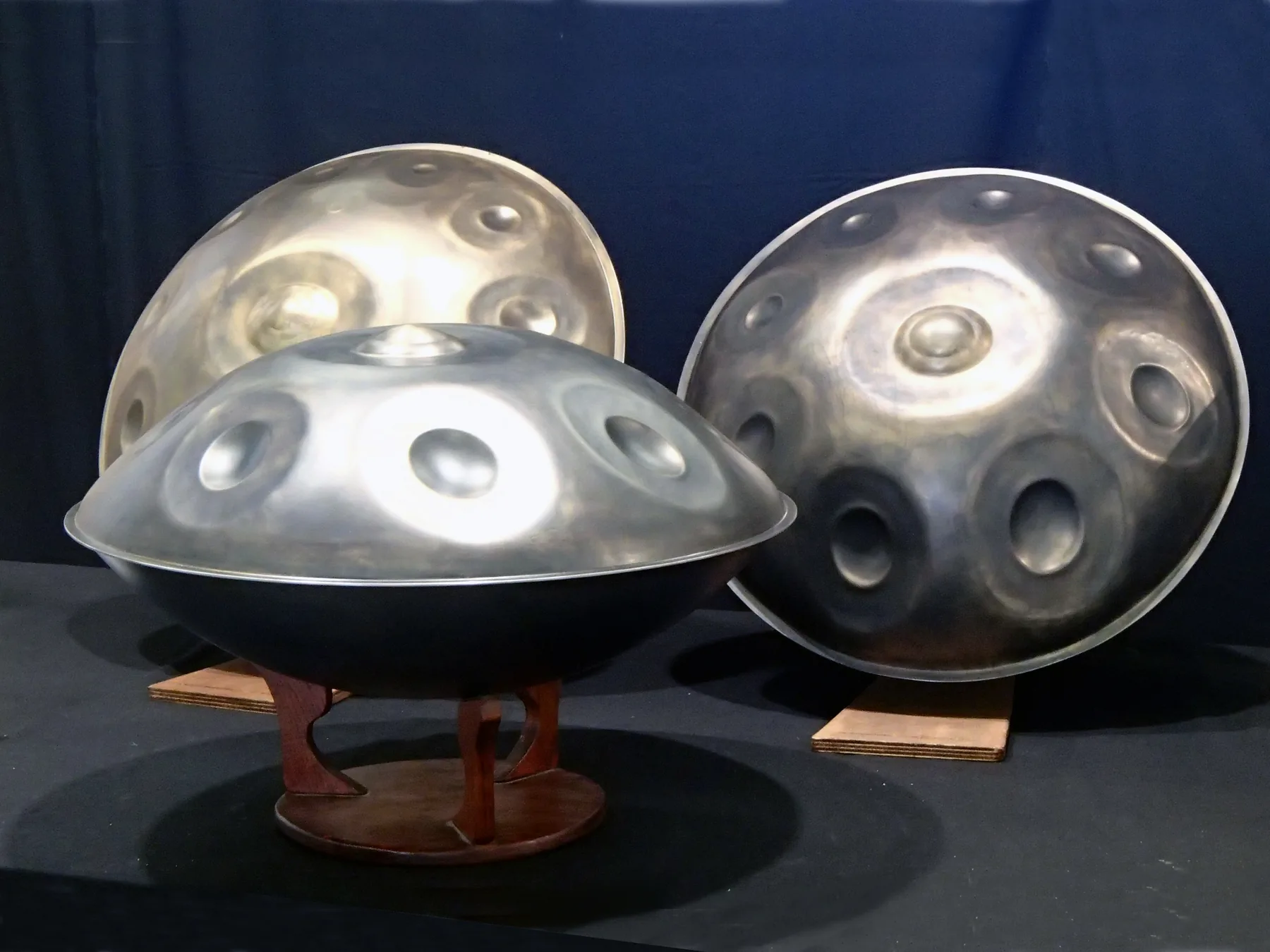
Shipping options: sea or air freight?
The choice depends on your priorities:
- Time: air freight enables delivery within 7 days, compared with 4 to 6 weeks for sea freight.
- Cost: sea freight costs 60% less on average.
- Security: impacts are three times less frequent with air freight.
| Criterion | Sea | Air |
|---|---|---|
| Average price | €250 | €650 |
| Risk of damage | 15% | 5% |
| Real-time tracking | Limited | Accurate |
Protecting your order effectively
All Risks insurance covers 99% of incidents for 1.5% of the value. Check:
- ISTA 3A-certified packaging.
- Photos taken before shipping.
- The GPS tracking number.
Final inspection before shipping
Reputable workshops use a 12-point checklist:
- Resonance test.
- Inspection of welds.
- Water-resistance check.
One exporter confirms:
“Our Kema inspections reduce claims by 80%. Quality is non-negotiable.”
Customs procedures in France
Administrative procedures are crucial when importing an instrument into France. Proper preparation prevents delays and unexpected costs.

Documents required for import
Here are the essential documents:
- Pro forma invoice (with the manufacturer’s name).
- Certificate of origin (to avoid additional duties).
- CE declaration of conformity.
One importer reports:
“An incomplete invoice delayed my delivery by 3 weeks. Check every detail.”
Calculating customs duties
TARIC code 9205.90.00 applies to handpans. Example for a €1,500 model:
| Type of charge | Amount |
|---|---|
| Customs duties (4.5%) | €67.50 |
| VAT (20%) | €300 |
| Total | €367.50 |
Countries outside the EU sometimes benefit from preferential agreements.
Compliance with CE standards
European Regulation 2019/214 requires:
- Acoustic testing by accredited laboratories.
- Visible CE marking.
- Technical documentation in French.
Penalties for non-compliance can reach 75% of the instrument’s value.
Conclusion
To make your purchase a success, follow these practical tips drawn from our experience. Choose verified websites, negotiate lead times, and protect your shipment.
The market is growing by 8% per year. Take advantage of this momentum to build a network of reliable buyers.
Beware of offers that seem too cheap. A high-quality instrument requires a reasonable investment.
Try our customs calculator free of charge. Simplify your procedures today.