
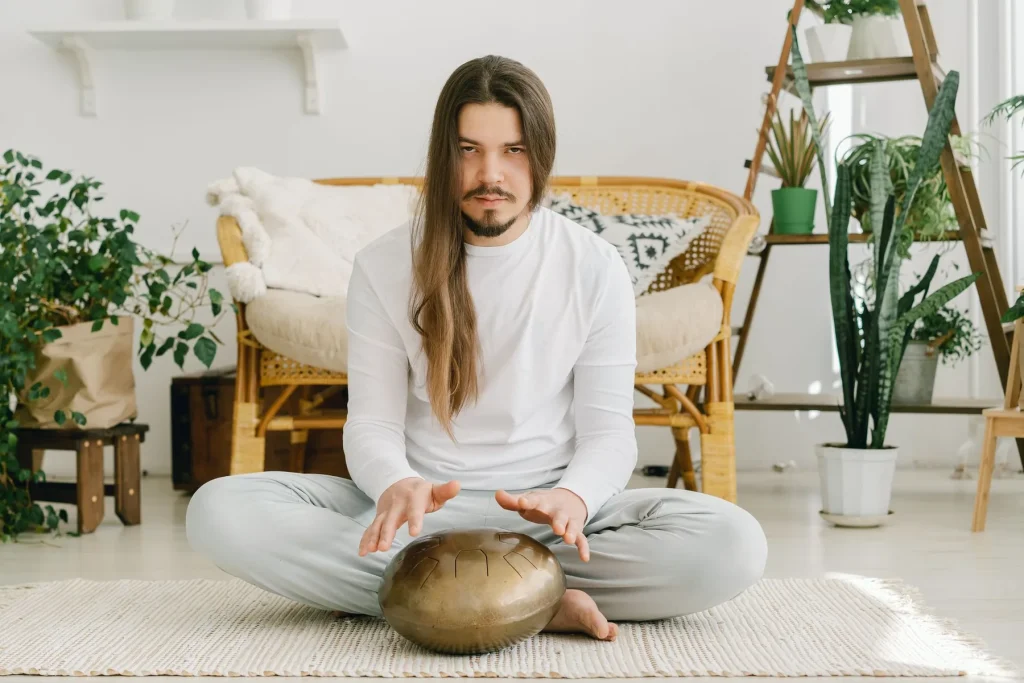
The handpan is winning over more and more musicians with its captivating sounds. This unique instrument, created in the early 2000s, combines simplicity with harmonic richness. Its popularity continues to grow, with more than 38,000 players trained on specialist platforms.
For those starting out on a limited budget, free resources offer a gradual introduction. They are an ideal solution before investing in paid training such as the courses offered by MasterTheHandpan.
This overview presents the best online learning methods. You will find suitable exercises, clear tutorials, and tips to help you progress quickly.
An introduction to the handpan for beginners
Discovering the handpan opens the door to a unique musical world. Both simple and sophisticated, this instrument is appealing because of its soothing sound and accessibility. Ideal for beginners, it offers an immersive experience without requiring any knowledge of music theory.
What is a handpan?
The handpan is a percussion instrument made from nitrided steel. With 8 to 9 notes in a pentatonic scale, it produces harmonious sounds without wrong notes. Inspired by the Hang Drum, it stands out for how easy it is to pick up and play.
Its structure includes a resonating chamber that produces deep vibrations. Unlike other instruments, it encourages creativity from the very first minutes of playing.
Why choose the handpan as an instrument?
Several factors explain its popularity among beginners:
- Accessibility: no musical background is required.
- Relaxing effect: playing reduces stress and improves concentration.
- Fast learning curve: one student reports: “I progressed three times faster than I did when learning on my own.”
The benefits of online learning
Online courses offer unparalleled flexibility. Available around the clock, they fit any schedule. According to the Handpan Dojo community, 72% of players begin learning on YouTube.
| Method | Benefits |
|---|---|
| Free tutorials | A gradual introduction with no financial commitment |
| Specialist platforms | Access to structured exercises |
| Discussion groups | Tips shared among enthusiasts |
Whether you prefer videos or interactive courses, online learning makes it easier to take your first steps with the handpan.
The essential basics for getting started with the handpan
Mastering this instrument requires a methodical approach. The technical fundamentals determine the quality of your playing and how quickly you progress. Here are the key things to know before you begin practicing.
Understanding the structure of your instrument
The handpan consists of two metal shells that form a resonating chamber. Each note is carefully tuned to create perfect harmonies. The central note, called the “Ding,” serves as the melodic anchor.
According to the experts at Sonodrum, you should strike it with the pads of your fingers. This technique produces a clear sound and prevents unwanted vibrations.
Hand position and posture
Adopting the correct posture is essential:
- Sit comfortably with your back straight
- Place the instrument at a 45° angle on your lap
- Keep the sound hole unobstructed for better acoustics
Excessive shoulder tension is a common beginner mistake. Relax your muscles for more fluid playing.
Discovering your first notes and rhythms
Start by exploring the “Ding” with one hand. Then gradually add the other notes, alternating between your left and right hands. A simple four-beat rhythm will let you create your first melodies.
Use a virtual metronome to develop your sense of tempo. This tool is essential for improving accuracy. Alternating cross-hand strikes is one effective exercise.
These fundamentals lay the groundwork for successful learning. With regular exercises, you will quickly progress to more complex compositions.
Different ways to learn the handpan
Exploring the handpan means adopting a variety of techniques to improve. Some players favor an intuitive approach, while others follow structured rhythms. Whatever your preference, these methods will guide you toward harmonious mastery.
An intuitive approach without music theory
The handpan is often played by ear. Tools such as MasterTheHandpan’s color-coded notation system help players visualize the notes. One student confirms: “With the colors, I learned two pieces in one week.”
The Ghost Notes method, popularized by Sonodrum, makes it possible to vary the intensity. Lightly striking near the edges creates subtle effects that are ideal for atmospheric melodies.
Basic rhythmic techniques
Start with simple sequences. The call and response technique encourages improvisation:
- Play a short phrase (call)
- Answer with a variation (response)
Overtones (harmonics) enrich compositions. Listen to the lingering vibrations to add depth.
Creating simple melodies
Combine rhythms and notes to create coherent sequences. One tip: record yourself so you can analyze your sessions. As one player points out: “Fifteen minutes a day is enough to see clear progress.”
Compare French and German teaching styles. French instructors favor creativity, while German teachers structure rhythms more closely. Try both to find your style.
Guide to free online handpan courses
YouTube is packed with tutorials for learning the handpan. These resources let you learn at your own pace, without time constraints. Here is how to make the most of the best available options.
YouTube tutorials for beginners
Structured playlists accelerate learning. Choose ones arranged in order of increasing difficulty. One effective strategy is to practice for two hours a week over eight weeks.
Watch out for poor posture in some videos. Always check the hand position being demonstrated. One player reports: “It took me three months to correct a bad habit.”
Specialist channels to follow
Two French-language resources stand out:
- David Charrier (120K subscribers): advanced techniques
- Handpan Tribe: a progressive approach for beginners
The number of views does not always indicate quality. Favor channels that offer practical exercises.
Free courses from paid platforms
Some websites offer trial modules. Handpan Dojo provides three complete lessons for free. These options let you test a method before investing.
Tip: premium courses often provide useful excerpts. Browse their “Demo” pages to find them.
These tutorials give you everything you need to get started. Alternate between practice and theory to achieve quick results.
The best free French-language resources
The French-speaking handpan community offers valuable tools for making progress. From passionate video creators to specialist forums, these resources make independent learning easier. They meet the needs of beginners and experienced players alike.

French-speaking teachers on YouTube
Three creators deserve particular attention:
- Pierre Lefeuvre: 45 technical tutorials with visual scores
- Melody Pan: a progressive 12-week method
- Sound Odyssey: an emphasis on improvisation and complex rhythms
One subscriber reports: “Pierre’s exercises saved me six months of practice.” These channels offer practical advice for mastering basic techniques.
Dedicated blogs and forums
The Handpanista blog lists 200 technical articles. Its active forum lets you talk with experts. To find precise answers, use these Google operators:
“site:handpanista.fr striking technique”
“filetype:pdf handpan exercises”
The Handpan community (3K members) solves common problems. One member reports: “The forum helped me choose my first instrument.”
Beginner discussion groups
WhatsApp and Facebook groups encourage mutual support. Their number has increased by 40% since 2022. Here is how to make the most of them:
- Share your recordings to get feedback
- Organize monthly challenges among members
- Exchange tips on caring for instruments
As one player confirms: “Our group got me through lockdown.” These spaces encourage progress through personalized advice.
To explore the subject in greater depth, find out how to learn on your own with the right methods. Every resource choice shapes your musical journey.
Techniques for improving without a teacher
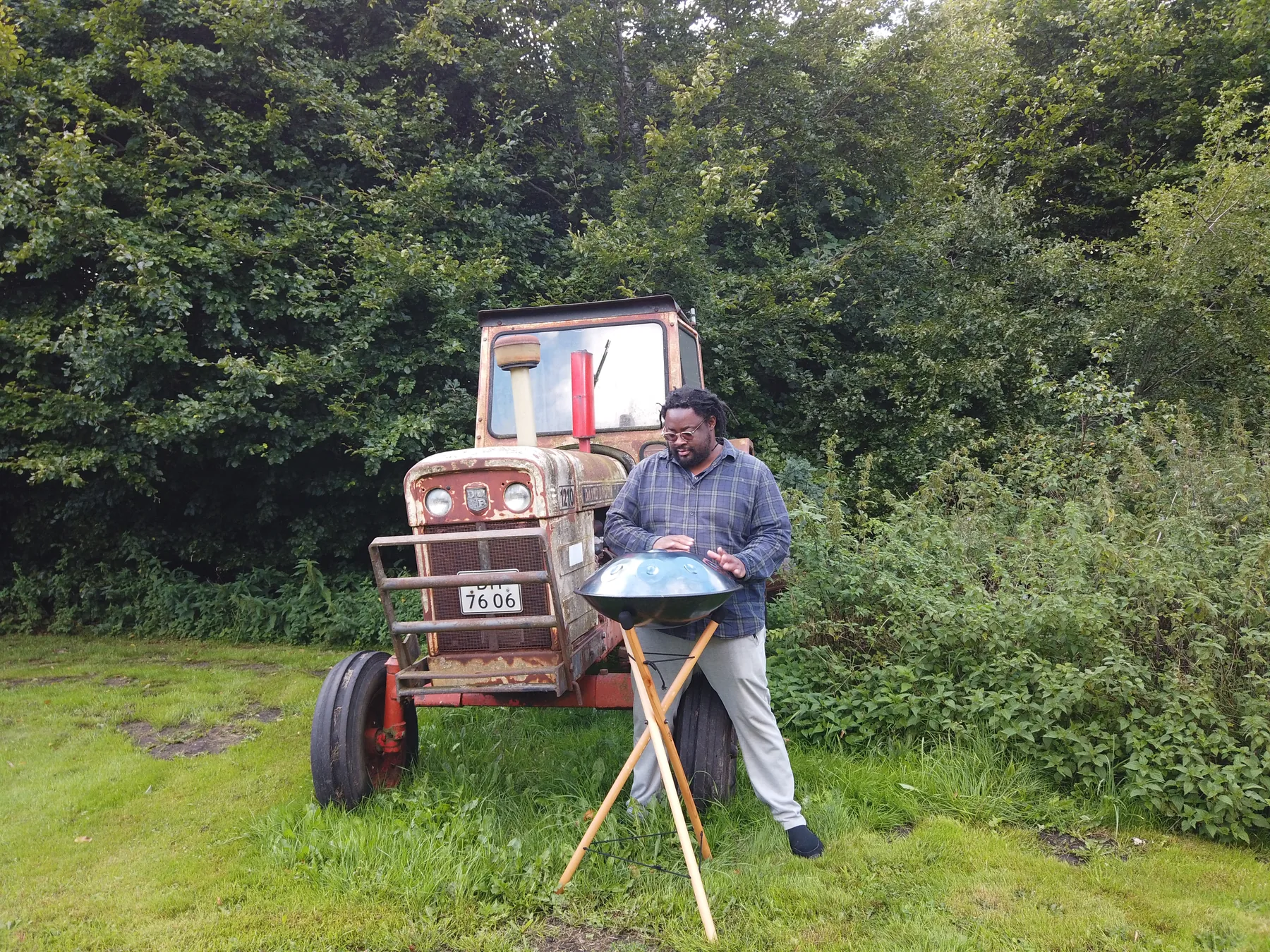
Learning to play the handpan on your own requires a structured approach. With the right methods, you can reach a satisfying level while avoiding common pitfalls. Here is how to optimize your progress without professional guidance.
The importance of regular practice
Daily practice is essential for mastering this instrument. One study indicates that practicing for 20 minutes a day, five times a week, produces visible results within a month. The 5×5 method (five five-minute exercises) is particularly effective.
Use an adapted Pomodoro technique:
- 25 minutes of focused playing
- 5 minutes of active rest
- Repeat for 3 to 4 cycles
Exercises for developing dexterity
Start with specific warm-up exercises. Circular wrist movements prepare the muscles for repeated strikes. The Bounce Metronome app helps improve rhythmic accuracy.
A typical program includes:
- Ascending and descending scales
- Alternating between the left and right hands
- Mirror playing (reproducing patterns)
Recording and analyzing your sessions
Self-assessment accelerates learning. One documented case showed a 70% improvement in timing over two months through regular analysis. Use inexpensive microphones such as the Samson Go Mic to capture subtle details.
“I corrected my weaknesses three times faster by watching my videos every week.”
To explore these techniques further, discover the structured methods that perfectly complement independent learning. Every well-executed step brings you closer to mastering the instrument.
Pitfalls beginners should avoid
According to HandpanMaster, 68% of new players give up because of avoidable pitfalls. These common mistakes often turn learning into an obstacle course. Yet a few simple pieces of advice can help you steer clear of them.

Bad habits and how to correct them
Striking too close to the edge is the number-one mistake. It produces an unpleasant metallic sound. The solution is to aim for the center of each note with the pads of your fingers.
Other harmful habits include:
- Hunched posture → keep your back straight and your shoulders relaxed
- Holding your breath → exhale as you strike
- Excessive pressure → let your fingers rebound
“I lost six months because of poor posture before I corrected the problem.”
Selecting relevant resources
With so much content available, choosing the right tools is crucial. Beware of unnecessary equipment such as:
| Avoid | Alternative |
|---|---|
| Special gloves | Finger-strengthening exercises |
| Expensive stands | A basic ergonomic cushion |
| “Miracle” courses | Proven progressive programs |
Favor resources that offer detailed exercises and feedback based on experience.
Adjusting your goals to reality
Set realistic expectations using the SMART method:
- Specific: “Play three notes in time”
- Measurable: make a weekly audio recording
- Achievable: 15 minutes a day is enough
- Relevant: suited to your level
- Time-bound: set a two-month goal
Be mindful of physical risks: poor technique can cause tendinitis. Listen to your body and take regular breaks.
By avoiding these pitfalls, you will save months of progress. Choosing a methodical approach makes all the difference.
Conclusion: your learning journey starts here
Your musical adventure with this unique instrument begins today. The resources presented here give you a solid foundation for exploring the handpan with confidence.
Three key steps sum up your journey: choose suitable tools, practice regularly, and connect with the community. Consult our directory of local events to meet other enthusiasts.
As a bonus, download our ebook, “30 Days with My Handpan,” for a series of progressive exercises. Share your first recordings on forums and receive constructive feedback.
As David Charrier says: “The journey is worth every note.” Take the plunge: beginners quickly become accomplished melody makers.